Continue with Facebook
 Continue with Email


As a property owner or investor in Zimbabwe, paying your municipal rates is not just a legal obligation — it's an investment in your property's value and your community's attractiveness. When your perspective shifts from viewing rates as a burden, to seeing them as a civic contribution, property ownership becomes more rewarding and less stressful.
Who Is Responsible for Paying Rates?
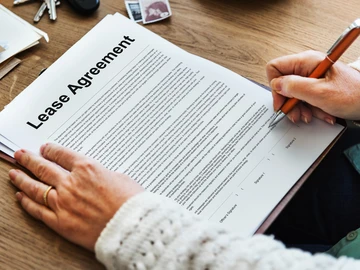
According to the Urban Councils Act (Chapter 29:15), section 279, the property owner is legally liable for rates payments. While you may have a lease agreement that requires your tenant to pay rates (contractual duty), you as the registered owner remain ultimately accountable. This is because if your tenant defaults, it implicates you, both in the breach and the consequences
The consequences of non-payment can be severe — accumulated interest charges, legal action, property seizure and sale, and damage to your reputation as a property owner. These are risks no savvy investor should take.
Best Practices for Managing Your Rates
Let me share practical strategies that will help you stay on top of your rates obligations:
- Make Rates Part of Your Budget
Treat your monthly rates bill like any other essential expense. Include it in your financial planning from the start. If you're renting out the property, a smart approach is to allocate the rental income first toward rates and levies before apportioning other personal or business use
- Pay on time every time
Pay your rates right on time, especially if in those jurisdictions in which late payments interests are applicable. This will nip in the bud these unnecessary extra costs. One useful habit on this point is to establish a monthly fixed calendar date on which you settle your accounts, consistently.
- Monitor your account regularly
As the adage profoundly express a timeless truth, “a stitch in time saves nine.” Frequently check your account balance to verify any outstanding debits, because stealthily, ‘It is the little amounts that usually end up accruing into significant debt amounts.’ These constant check-ups are also a necessary measure to safeguard oneself against human and technical billing errors (overcharging), and misappropriation.
Your statement will also be a good guide as to the adequate amount you need to pay on a monthly basis, and any needful corresponding adjustments. For balance enquires, you need to visit the respective council offices of your property’s jurisdiction or their online platforms, even WhatsApp (Harare City Council has one).
- If your tenant pays, follow up
As alluded before, rates maybe a contractual duty obligated upon a tenant. However, in responsible ownership, the ultimate accountability is inalienable from the owner. In view of this, the suggestion here made is for you (owner) to assume the duty of making sure the tenant is living up to terms. Send him or her timely reminders. Secondly, it would be beneficial to cultivate a habit of collecting Proof of Payments (POPs), because unmonitored, tenants tend to care less about rates.
- Keep meticulous records
Responsible ownership keeps track and records of all expenditures and income pertaining to the property. Each time you make a payment, either electronically or manually, ensure you have your POPs in a secure place. This will be a useful source of property data analyses, and reference in the future
- Stay informed about changes
It is also true of rates, “change is the only thing constant.” Firstly, charges fluctuate over time, especially with updates to the valuation roll, which is usually adjusted between 3-10 years. Secondly, in this rapid technological and artificial intelligence era, better and efficient modes of payments, balance enquiry, et cetera are becoming a daily reality in pursuit of cost efficiency. Being aware of such developments, will be beneficial in cutting costs, saving time, and gaining convenience. Think of precious minutes wasted queueing, when you can use online payments in the comfort and convenience of your office or home
Why rates benefit you?
The purpose of rates includes but not limited to road maintenance, refuse collection, waste management, sanitation, et cetera. The availability of these facilities and their maintenance improve your neighbourhoods’ desirability, and its property selling point. Rates therefore enable the council to effectively deliver this mandate.